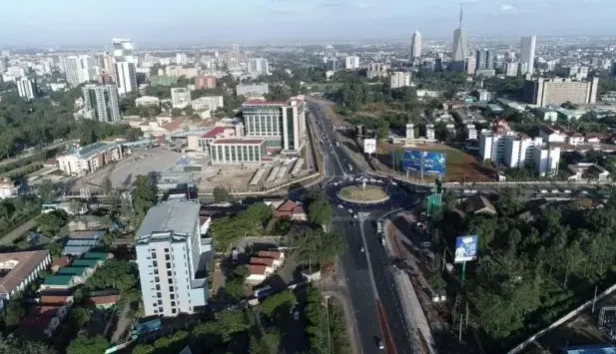


Nairobi continues to be the center of Kenya’s real estate market, but in recent years, a major shift has been happening. More buyers, investors, and tenants are looking beyond the main city and focusing on Nairobi’s satellite towns. Areas such as Ruaka, Ruiru, Kitengela, Syokimau, Athi River, Ngong, Juja, Kamulu, and Mlolongo have become some of the most talked-about property locations in the country.
This growing interest is not accidental. It is driven by a combination of affordability, improved infrastructure, changing lifestyle preferences, and strong rental demand. For many Kenyans, satellite towns now represent the best balance between price and value. Buyers can access land, homes, and apartments that would be far more expensive inside the city, while still enjoying access to Nairobi’s economic opportunities.
For investors, these towns also present a chance to enter the market early, before prices rise further. In a property market where affordability matters more than ever, Nairobi’s satellite towns have become a practical and attractive option for homebuyers and investors alike.
1. Affordability Is Still the Biggest Driver
One of the main reasons property in Nairobi’s satellite towns remains in high demand is affordability. Property prices in central Nairobi and some of its prime neighborhoods can be extremely high, putting home ownership out of reach for many middle-income buyers. In contrast, satellite towns often offer better pricing for plots, apartments, maisonettes, and standalone homes.
For first-time buyers, this difference is very important. A young professional or family that cannot afford a house in Kilimani, Lavington, or Kileleshwa may still be able to buy in Ruiru, Kitengela, or Syokimau. This makes satellite towns a realistic entry point into property ownership.
Lower prices also mean buyers can choose between different property types. Some may prefer buying land and building later, while others want ready-to-move-in homes. Either way, satellite towns provide more flexibility and a lower financial barrier.
Affordability does not only attract homebuyers. It also draws developers and investors who want to build properties targeted at the expanding middle class. As more people look for lower-cost housing options, demand in these towns continues to rise.
2. Infrastructure Development Has Improved Accessibility
Infrastructure plays a huge role in real estate demand, and Nairobi’s satellite towns have benefited from significant improvements in roads and transport networks. The expansion of bypasses, highways, and feeder roads has made commuting easier for thousands of residents who work in or around Nairobi.
In the past, one of the biggest concerns about living outside the city was the daily commute. But as access roads improve, that concern is gradually reducing. Areas such as Syokimau, Athi River, Ruiru, and Ruaka have become more practical for people who need to travel to Nairobi regularly.
Better roads also attract business activity. As transport becomes easier, shops, schools, offices, and service businesses tend to follow. This increases the overall value of the area and makes property even more attractive.
Infrastructure does more than just improve convenience. It also supports long-term capital growth. When an area becomes easier to access, land and house prices often rise over time. Buyers who enter the market early in well-connected satellite towns can benefit from appreciation in value.
3. Satellite Towns Offer More Space and Better Living Conditions
Another reason many buyers are choosing satellite towns is the lifestyle advantage. In many parts of Nairobi, land is limited, housing is dense, and congestion is common. Satellite towns, on the other hand, often offer larger plots, more open spaces, and a quieter environment.
Families especially appreciate this difference. Children can have more room to play, homes can have bigger compounds, and residents can enjoy a less crowded setting. For people who want a break from the fast pace of the city, satellite towns offer a better quality of life.
Many of these towns are also evolving into self-contained communities. This means residents can access schools, hospitals, shopping centers, places of worship, and entertainment facilities without needing to travel too far. As the towns grow, they become more convenient and more attractive to both buyers and tenants.
The desire for space became even more visible after the COVID-19 period, when many people began to rethink where and how they live. Remote work, flexible schedules, and changing priorities made outer suburbs and satellite towns even more appealing.
4. Strong Rental Demand Supports Investors
Satellite towns are not just good for homebuyers. They are also strong investment locations because of the rental market. Many people working in Nairobi prefer renting in satellite towns because the cost of living is lower while access to the city remains possible.
Young professionals, students, small families, and even corporate tenants contribute to this demand. In many of these towns, rental units rarely stay vacant for long if they are well located and properly priced.
For landlords, this means steady cash flow. For developers, it means a ready market for apartments, bedsitters, one-bedroom units, and family homes. This is one of the reasons property development has grown so quickly in areas like Ruaka, Ruiru, and Syokimau.
Rental demand also helps reduce investment risk. Even if a buyer is not planning to live in the property immediately, they can still earn income from tenants while waiting for the property value to appreciate. This dual benefit makes satellite towns especially attractive to serious investors.
5. Land Availability Is Better Than in the City
Inside Nairobi, especially in established neighborhoods, undeveloped land is becoming harder to find. Where land exists, it is often very expensive. In contrast, satellite towns still have more available land, giving buyers and investors room to plan and build.
This land availability creates opportunity. Buyers can purchase plots for future development, developers can launch new estates, and businesses can secure space for commercial projects. Because there is still room to grow, these towns often attract speculative and long-term investors.
Land banking is particularly popular in fast-growing satellite towns. Investors buy land in areas with future growth potential, then hold it until the value rises. If the location has strong infrastructure and rising demand, the returns can be significant.
More available land also means more development diversity. Some towns are seeing gated communities, apartment blocks, mixed-use developments, and serviced plots all growing at the same time. This variety helps create vibrant local property markets.
6. Developers Are Targeting the Middle Class
The Kenyan middle class has become one of the main drivers of real estate growth, and developers have responded by creating housing that fits this market. Satellite towns are ideal for middle-income housing because they offer lower land costs and a more achievable price point for buyers.
Many developers are now building homes specifically for this audience: affordable apartments, townhouses, gated communities, and plots with payment plans. These projects are often marketed to salaried workers, young families, and investors looking for rental income.
This has increased competition in the market, which is good for buyers. More options mean more choice in terms of location, price, size, design, and payment structure. As long as demand keeps growing, developers will continue to focus on these towns.
7. Better Financing Options Are Supporting Purchases
Access to financing has also helped fuel demand in Nairobi’s satellite towns. Some buyers may not have full cash upfront but can still purchase through mortgage financing, installment plans, or developer payment schemes.
Because property in these towns is more affordable than in central Nairobi, financing becomes more realistic. Monthly repayments are often more manageable, especially for first-time buyers.
In many cases, developers also offer flexible deposit structures, helping buyers secure property without needing to pay everything at once. This has opened the market to more people and increased overall demand.
Even buyers who are not using bank financing often prefer the smaller financial commitment that satellite towns require. This makes purchase decisions easier and encourages more activity in the market.
8. Future Growth Potential Remains Strong
One of the biggest attractions of property in Nairobi’s satellite towns is the potential for future growth. As Nairobi expands, areas on the outskirts are likely to experience continued demand from both residents and businesses.
When roads improve, industries grow, and services expand, property values usually follow. Buyers who purchase early in the right location can benefit from appreciation over time. This is why so many investors look at satellite towns as long-term opportunities rather than just immediate housing solutions.
The key is to choose the right town and the right property. Not every area will grow at the same rate, and not every cheap plot is a good investment. Buyers must look at access, demand, infrastructure, title verification, and development trends before committing.
9. What Buyers Should Check Before Purchasing
Even though satellite towns are in demand, buyers still need to be careful. Real estate is a major investment, and proper due diligence is essential.
Before buying, you should:
- confirm ownership documents
- conduct a land search
- verify the exact location and boundaries
- check road access and utilities
- review zoning and land use
- work with a lawyer or trusted agent
This helps avoid fraud, disputes, and costly mistakes. A growing market can still have risky deals, so proper verification is always necessary.
10. Best Satellite Towns to Watch
Some of the most active and promising satellite towns around Nairobi include:
- Ruaka – strong apartment and rental demand
- Ruiru – rapid growth and strong residential development
- Kitengela – affordable housing and land options
- Syokimau – excellent accessibility and family housing demand
- Athi River – industrial and residential growth
- Ngong – lifestyle appeal and expanding estates
- Juja – student, rental, and family housing market
- Mlolongo – commuter convenience and urban growth
Each of these towns has its own strengths, and the right choice depends on your budget and investment goals.
Final Thoughts
Property in Nairobi’s satellite towns remains in high demand because it offers what many buyers want most: affordability, convenience, space, and long-term value. As infrastructure improves and Nairobi continues to expand, these areas are likely to remain key growth zones in Kenya’s real estate market.
For homebuyers, satellite towns offer a realistic path to ownership. For investors, they offer steady rental demand and the potential for capital appreciation. For developers, they remain a fertile market with strong and growing demand.
If you are looking to buy property in or around Nairobi, satellite towns should be at the top of your list.
Looking for verified property options in Nairobi’s satellite towns? Contact us today for expert guidance and available listings.